

Introduction
People are the most valuable asset in any organisation. Their knowledge, experience, and commitment directly influence business success. Retaining the right employees is essential for stability, performance, and growth.
Benefits play a key role in this. They assure employees that the organisation cares about their wellbeing, their families, and their long-term future. When employees feel supported, they remain engaged and loyal.
This article explores why employees leave, the role benefits play in retention, and how companies can design a benefits package that builds a committed and loyal workforce.

The Importance of Employee Retention
Employee retention refers to an organisation’s ability to reduce turnover and maintain a stable, engaged workforce. It is directly linked to productivity, customer satisfaction, and profitability.
When retention is strong:
- Employees develop deeper expertise in their roles
- Teams become more collaborative and efficient
- Recruitment and onboarding costs have reduced significantly
- The work environment becomes more predictable and positive
When retention is weak:
- Knowledge and skills leave with departing employees
- Recruitment becomes a continuous burden
- Customer service quality declines
- Remaining staff experience stress and burnout
Benefits are a central component of retention because they directly influence how employees feel about their employer. A company that invests in benefits sends a clear message. It values employees not only for their output, but also for their well-being.
Why Do Good Employees Leave an Organisation

Employees do not resign only for a higher salary. Most departures occur because needs are not met, expectations are not managed, or workplace experience is unsatisfactory.
Below is a practical overview of the most common reasons employees resign and the impact on the organisation.
Key Reasons for Employee Resignation
| Reasons employees leave | Effect on the company |
| Uncompetitive salary | Increased turnover and difficulty attracting talent |
| Lack of recognition or appreciation | Decline in morale and discretionary effort |
| Insufficient benefits beyond salary | Employees migrate to employers with stronger packages |
| Weak communication or poor management | Decrease in trust and engagement |
| Limited work-life balance and burnout | More sick leave and unexpected resignations |
| No career development opportunities | Faster exits by high-potential employees |
| Lack of psychological safety | Silent disengagement and poor collaboration |
When employees feel undervalued or unsupported, they quietly begin seeking better options. Retention strategies must therefore address practical, emotional, and professional needs.
How Better Benefits Improve Employee Retention
An effective benefits package strengthens retention by meeting employee needs beyond monthly compensation. Benefits reduce stress, improve satisfaction, and help employees feel protected during important life situations.
Impact of Benefits on Retention
| Type of benefit | Main purpose | Effect on retention |
| Competitive salary | Reward skills and performance | Reduces motivation to search for alternative jobs |
| Health and medical coverage | Support employee and family well-being | Creates long-term loyalty |
| Paid leave and rest | Prevent burnout and improve well-being | Enhances productivity and satisfaction |
| Career development programs | Enable skills growth and promotion | Encourages long-term commitment |
| Flexible work options | Support work-life balance | Increases happiness and belonging |
| Retirement and savings support | Provide financial stability | Builds a stronger emotional attachment |
| Recognition and reward programs | Celebrate performance and milestones | Strengthens motivation and retention |
Benefits give employees reasons to stay even when external offers appear attractive. A strong benefits ecosystem communicates stability, respect, and fairness.
Small Everyday Benefits That Strengthen Commitment

Not all benefits require large budgets. Small, thoughtful gestures can significantly impact how employees feel about their employer. These daily touchpoints create emotional connection and reinforce a positive culture.
Impact of Small Benefits
| Small benefit | Cost level | Emotional effect |
| Birthday leave or personalised greeting | Low | Employees feel valued as individuals |
| Tea, coffee, snacks, or fruit | Low to medium | Improves comfort and workplace experience |
| Festival or birthday gifts | Low to medium | Builds positive memories and belonging |
| Mobile recharge or transport support | Low | Shows fairness for work-related expenses |
| Occasional team lunches or events | Medium | Strengthens teamwork and morale |
These benefits may seem minor, but they significantly improve employee satisfaction. When people feel cared for in small moments, their emotional loyalty becomes stronger.
Supporting Employees as Human Beings, Not Resources
Employees are not machines. They require rest, flexibility, support, and recognition. When work-life balance is ignored, even strong performers eventually experience fatigue, disengagement, or burnout.
To support employees holistically, organisations must ensure:
- reasonable workloads
- predictable working hours
- structured break times
- enough annual leave
- family-friendly policies
People who feel mentally and physically balanced perform better, collaborate better, and stay longer.
A company culture that prioritises wellbeing becomes a powerful retention tool.
Rewards, Bonuses, and Recognition Programs

Recognition is one of the strongest motivators in the workplace. Employees who feel appreciated are more engaged, more productive, and more loyal. Companies should maintain a structured recognition program that includes both monetary and non-monetary rewards.
Examples include:
- performance bonuses
- festival bonuses
- long service awards
- employee of the month awards
- spot rewards for outstanding contributions
- team appreciation events
Gifts such as diaries, mugs, T-shirts, planners, or even small vouchers can create positive emotional value. Recognition does not need to be expensive. It needs to be meaningful and consistent.
Listening to Employees and Personalising Benefits
To build a benefits plan that truly works, organisations must listen to their employees. Different employee groups have different needs depending on age, family structure, salary level, and role.
Employee feedback can be gathered through:
- Surveys
- suggestion boxes
- focus group discussions
- one-to-one meetings
- digital feedback forms
Examples of Useful Survey Questions
| Survey area | Example question | Purpose |
| Current benefits | Which benefit do you use the most | Identifies benefits with the highest value |
| New ideas | What new benefit would help you the most | Reveals gaps in current offerings |
| Work-life balance | Do you feel you have adequate rest time | Identifies overwork or burnout risks |
| Recognition | Do you feel your work is appreciated | Highlights gaps in leadership practices |
| Career development | Do you see growth opportunities here | Measures long-term commitment potential |
Listening builds trust. Acting on feedback builds loyalty. Companies that update their benefits based on real employee needs create a stronger employee experience.
Supporting Financial Security and Stability

Financial security is a major factor in retention. Employees stay longer when they feel their organisation is helping them manage both short-term and long-term financial challenges.
A comprehensive financial support system may include:
- regular salary benchmarking
- clear and fair festival bonus policy
- emergency loan or salary advance facility
- provident fund or retirement contributions
- payroll transparency and accuracy
- financial literacy workshops
These measures reduce stress and help employees maintain dignity and stability during unexpected situations. A financially secure employee is more focused, responsible, and committed.
Supporting Health and Mental Well-being
Health benefits are not optional. They are essential. Employees who feel physically and mentally supported develop deeper trust in the organisation.
Physical health support may include:
- medical allowance
- health insurance for employees and dependents
- partnerships with hospitals or clinics
- annual health screenings
- ergonomic workspaces
- safe and clean workplace environment
Mental health support may include:
- counselling assistance
- stress management sessions
- reasonable workload distribution
- Manager training on empathy and communication
- open discussion channels for personal concerns
A workplace that supports health creates a loyal and stable workforce.
Using HR and Payroll Systems to Manage Benefits Effectively
Even the best benefits fail if they are delivered inconsistently or without clarity. A modern HR and payroll system ensures accuracy, transparency, and efficiency.
How HR Software Supports Employee Benefits
| Process | How software helps | Result for employees |
| Leave and attendance | Automated tracking, clear balance | Fewer disputes and transparent leave usage |
| Payroll and allowances | Consistent rule-based calculation | Timely and accurate payments |
| Loan and advance management | Tracks instalments and dues | Clear understanding of commitments |
| Benefit communication | Employee self-service access | Quick and easy information without manual requests |
| Performance management | Structured reviews and feedback | Fair recognition and promotion opportunities |
When benefit management is smooth and reliable, employees trust the organisation more. This trust significantly improves retention.
Building a Comprehensive Benefits Plan
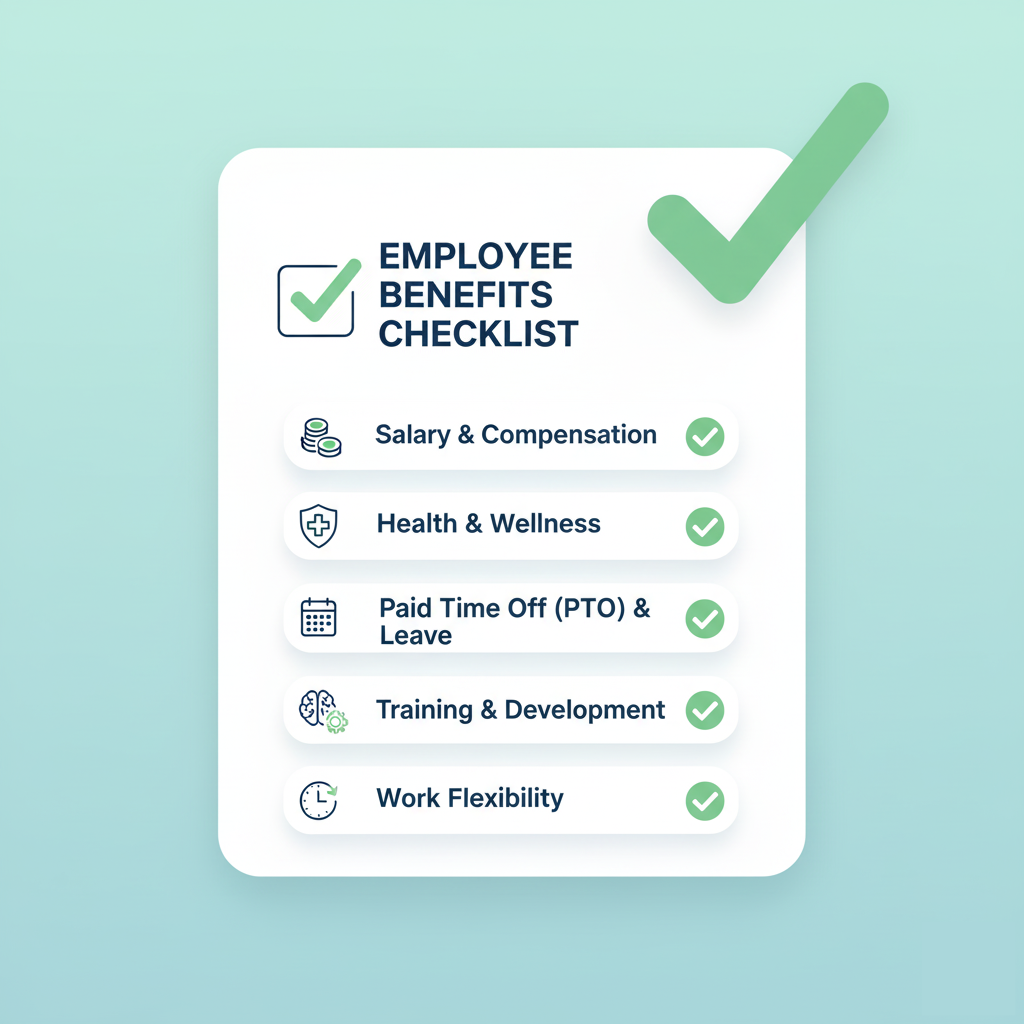
A successful benefits strategy includes multiple layers. It must address immediate needs, long-term growth, emotional well-being, and financial security.
A complete benefits plan should include:
- competitive salaries
- festival bonuses
- paid leave structure
- family and parental support
- food or meal allowances
- transport assistance
- medical support or insurance
- training and development programs
- employee recognition framework
- emergency loan facility
- mental health support
- retirement savings plan
- flexible working arrangements
This mix addresses the most common needs of employees and ensures your workplace remains attractive and supportive.
Conclusion
Employee retention is not achieved through salary alone. It is built through consistent care, thoughtful benefits, professional development opportunities, and a supportive work environment.
A strong benefits strategy builds trust, reduces turnover, and increases organisational stability. When employees feel valued, respected, and supported, they stay longer, perform better, and contribute to a stronger company culture.
By investing in competitive and meaningful benefits, companies protect their most valuable resource. Their people.
Better benefits lead to better retention. Better retention leads to a stronger, more successful organisation.