

Introduction
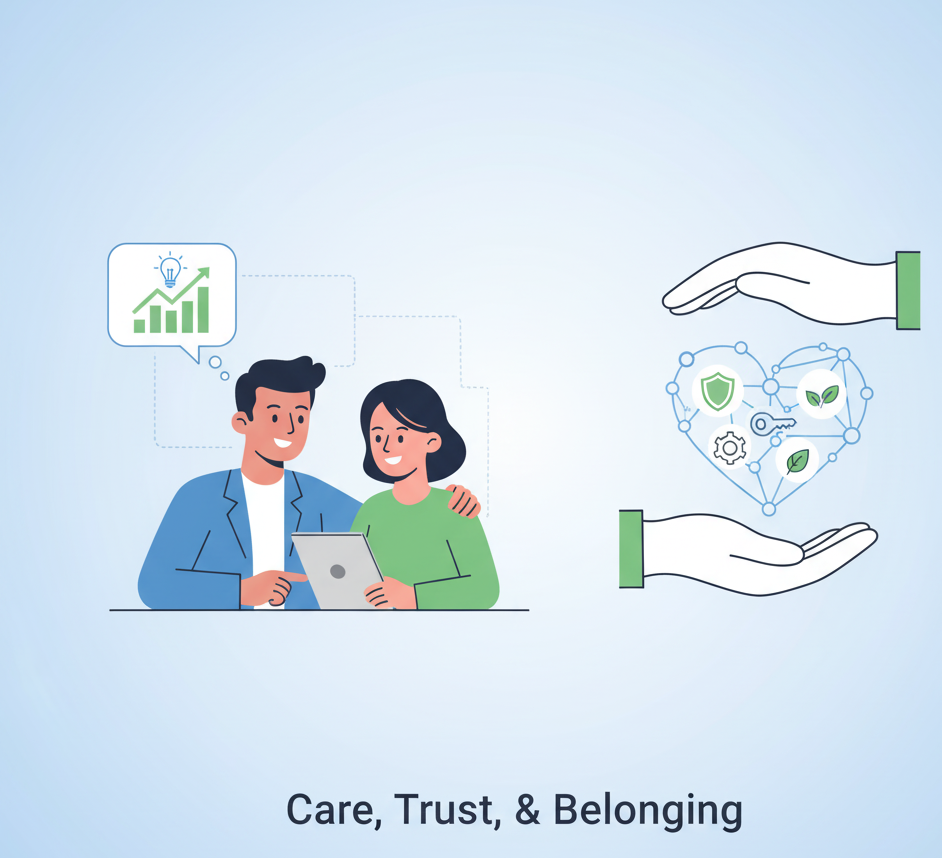
When people join a company, they do not only work for a salary. They want safety, respect, and a sense of belonging.
A workplace that genuinely cares about its people builds trust, improves commitment, and reduces staff turnover.
Employee benefits are one of the clearest ways to show that you care. The right mix of benefits supports daily life, long-term stability, and personal growth.
Below are the key benefits every company should consider, along with a few extra ideas that can set you apart as an employer of choice.
1. Pay a Fair and Competitive Salary
Salary is the basic reason people come to work. When pay is unfair or lower than the market, people feel disappointed and demotivated.
A fair and competitive salary
- Shows respect for employees and their skills
- Reduces financial stress and distraction
- Supports better focus, productivity, and loyalty
Review salaries regularly and stay close to market ranges. When people feel that their effort and pay are balanced, they are far more likely to stay and perform well.
2. Provide Festival and Performance Bonuses

Festival bonuses are an important way to recognise cultural and religious occasions. They show that the company understands what matters in the personal lives of employees.
Bonuses do not always need to be large. Even modest amounts, given consistently and fairly, send a strong message that the company values its people.
Whenever possible, link some bonuses to performance as well. This helps employees see a clear connection between their contribution and the reward they receive.
3. Offer Paid Leave and Real Rest
Time away from work is essential for both physical health and mental wellbeing. People need breaks to recharge, spend time with family, and handle personal responsibilities.
A good leave policy should include
- Annual leave for rest and travel
- Sick leave so people can recover without fear of losing income
- Casual or personal leave for emergencies or important family matters
When your leave policy is clear and fair, employees feel safe to take the rest they need. In return, they come back more focused and productive.
4. Support Health and Medical Needs

Health problems can appear at any time, and medical costs can be heavy. When a company supports health needs, it builds deep trust and loyalty.
You can support employee health by
- Offering health insurance or a medical allowance
- Partnering with clinics or hospitals for discounted services
- Arranging regular health check days at the office
Healthy employees are more engaged, more energetic, and more reliable. Health support is not only a benefit. It is also a smart business decision.
5. Provide Food and Meal Support
Food is a basic need, yet it has a big impact on daily comfort at work. Long days without proper meals lead to low energy, poor focus, and irritability.
You can help by
- Offering free or subsidised lunch
- Providing tea, coffee, and light snacks during the day
- Giving a meal allowance where a full canteen is not possible
When people do not have to worry about their meals at work, they feel cared for and can concentrate better on their tasks.
6. Help with Transport and Commute Costs
Many employees travel a long distance to reach the office. Rising transport costs and long traffic delays can create constant stress.
Companies can support commuting by
- Arranging staff buses or shared transport
- Providing a travel allowance or fuel support
- Offering flexible start and end times to avoid peak traffic where possible
When the journey to work is easier, employees arrive on time, feel less tired, and are more likely to stay with the company for the long term.
7. Invest in Training and Career Growth

Almost every employee wants to learn, improve, and grow. When a company invests in development, it sends a clear message. It says that the organisation sees a future for the person, not only the role.
You can support growth by
- Arranging regular training sessions and workshops
- Sponsoring professional certificates and courses
- Creating clear paths for promotion and internal movement
People stay longer with companies that help them grow. A culture of learning also builds stronger teams and better leaders for the future.
8. Offer Flexible Work and Work from Home Options
Modern work life is busy. Employees balance family, health, and personal responsibilities along with their job. Flexible work arrangements can make this much easier.
Where the role allows it, consider
- Work from home options on certain days
- Flexible start and end times
- Result-based work rather than strict time-based control
Flexible work builds trust and shows respect. In return, employees often give higher effort and show greater ownership of their work.
9. Create an Emergency Loan or Advance Salary Option
Unexpected costs such as medical emergencies, family issues, or sudden repairs can cause real pressure. Many employees do not have savings to handle these events smoothly.
A small, structured emergency loan or salary advance policy can be a huge help. Set clear rules for eligibility, repayment, and limits. Keep the process simple, confidential, and respectful.
Employees who know the company will stand by them in difficult times and feel a stronger bond with the organisation.
10. Protect Mental Health and Well-being

Mental health is just as important as physical health. Stress, burnout, and personal struggles can quietly reduce performance and increase the risk of errors or conflict.
You can support mental well-being by
- Keeping workloads realistic and monitoring overtime
- Offering access to counselling or an employee support programme
- Creating quiet areas for short breaks
- Training managers to listen and respond with empathy
A culture that respects mental health improves morale, teamwork, and long-term performance.
11. Recognise and Appreciate Good Work
Benefits are not always financial. Simple, genuine recognition can be as powerful as a bonus.
Recognition can include
- A personal thank you from a manager
- Appreciation in a team meeting
- Awards for long service or outstanding projects
What matters most is that praise is honest and specific. When people feel seen and appreciated, they are more likely to repeat good performance and stay loyal to the company.
12. Support Family and Life Events

Employees do not live in isolation. Their family life strongly affects their energy and focus at work. Companies that show care for families create very strong emotional loyalty.
Consider
- Paid leave for marriage, childbirth, or major family events
- Flexible arrangements for new parents
- Small gifts or greetings for important milestones
These gestures may seem small, but they create deep goodwill and a human connection between the company and its people.
13. Offer Retirement and Savings Support
Long-term financial security is a key concern for many employees. Retirement and savings benefits help them feel safe about the future.
Depending on local law and company capacity, you can
- Contribute to a provident fund or pension scheme
- Offer matched savings plans
- Provide financial literacy sessions so employees can plan better
When people feel safe about their future, they are more relaxed and focused in their present work.
14. Communicate Benefits Clearly and Consistently
Even the best benefits have less impact if employees do not understand them. Clear communication is part of the benefit itself.
Make sure you
- Keep a simple benefits handbook or online page
- Explain the benefits of joining and at regular intervals
- Train managers and HR team members so they can answer questions correctly
When employees understand exactly what they receive and how to use it, they feel more satisfied and more trusting of the organisation.
Conclusion

Your employees are the foundation of your company. When they feel respected, protected, and supported, they give more than just their time. They give their ideas, their energy, and their commitment.
A strong benefits package does not need to be complicated or expensive. Start with fair pay, health support, rest, and a few meaningful extras. Then improve step by step as your business grows.
If you care for your people in both small and big ways, they will care for your company in return.